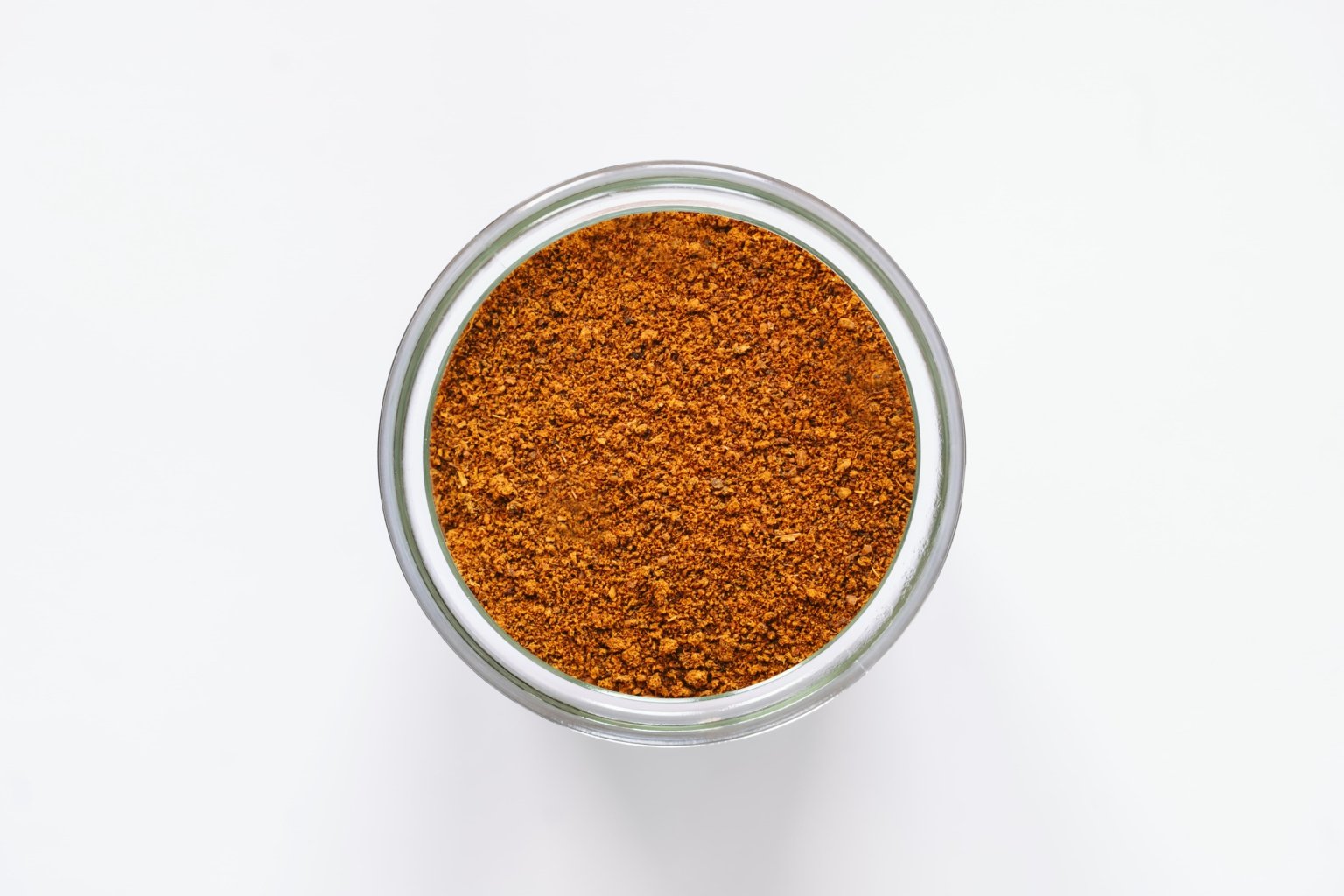
Suya
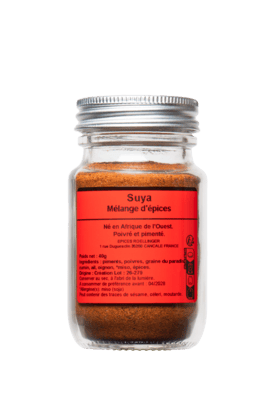
Recommendations
Suya blend can also be sprinkled on as a finishing touch: a pinch on deviled or fried eggs, or in a salad dressing.
-
Allergens
Allergen: Miso (soy)
May contain traces of sesame, mustard, and celery. - Origin Original creation
- Storage / Use In a cool, dark, dry place.
Story
Ever since my early days at Le Coquillage restaurant, I have been reinterpreting a dish created by my father: lobster with sherry wine, cocoa and three Mexican chile peppers.
This dish evokes the sacred union of chilli and cocoa in Mayan and Aztec cultures, through a chocolate-based drink they introduced to Europeans such as Christopher Columbus and Cortés when they arrived on these unfamiliar shores.
“Histoire de homard” has become an evolving reinterpretation of this dish.
I drew inspiration from Suya seasoning, which originated in West Africa, and used it to prepare the lobster claws. While my father’s dish invited us on a journey of the mind and across the seas towards the Mexican coast, my own creation follows a different maritime route: a crossing of the Atlantic in the opposite direction, from Mexico to Africa.
At the request of our restaurant guests, we added Suya seasoning to our collection of spice blends.
— Hugo Roellinger
Suya has become the king of barbecue spice blends in many West African cuisines.
Traditionally, suya or “soya” refers both to a barbecue spice blend made with ground roasted peanuts, chili peppers and spices, and to a dish consisting of meat skewers coated in a spicy seasoning and grilled on a barbecue or over hot embers.
Very popular in Nigeria, the suya has spread throughout West African cooking culture (Cameroon, Niger, Ghana, Ivory Cost) and also in Sudan.
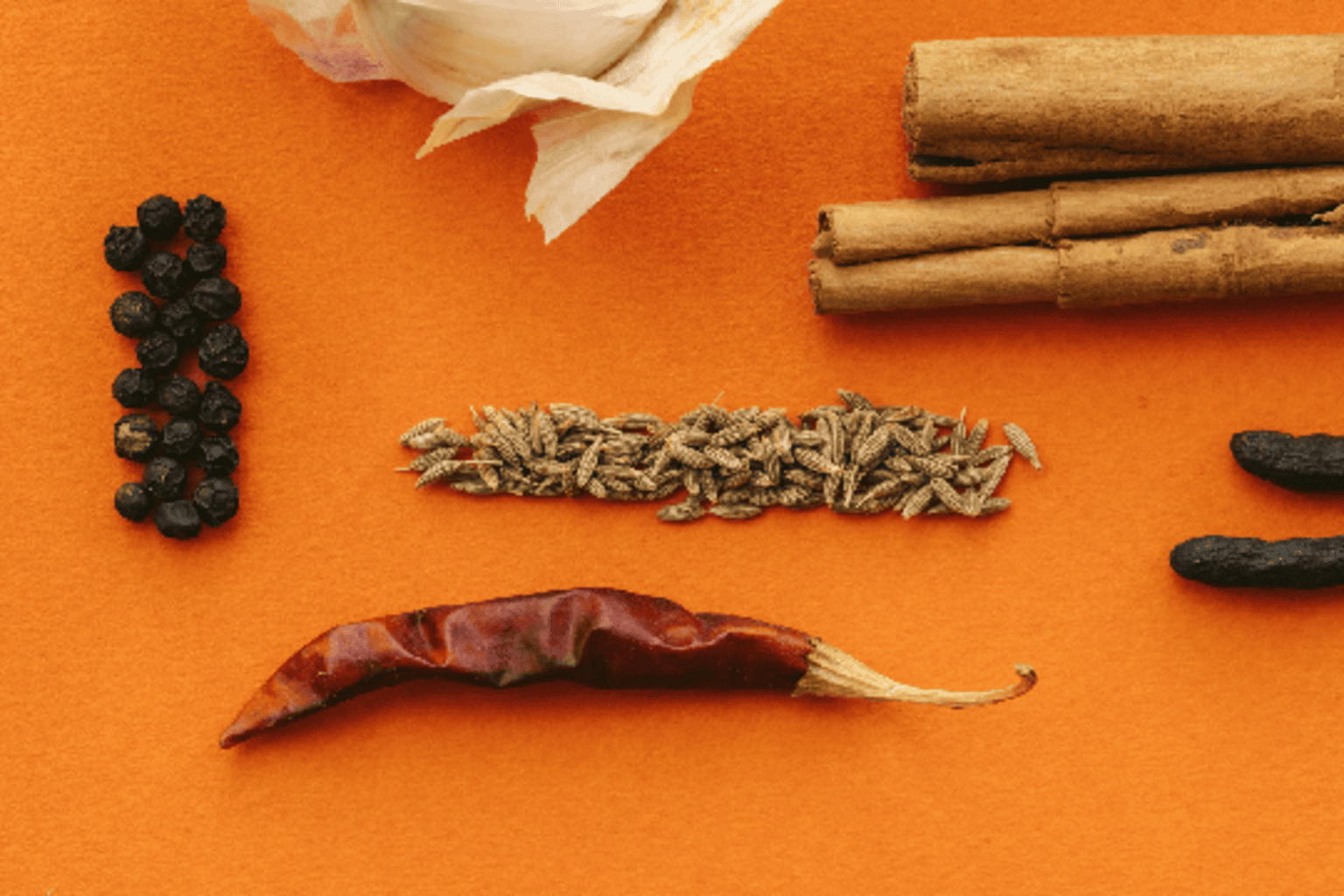
The spice blend is often associated with roasted peanuts. We have chosen to offer the spice blend on its own, without peanuts. There is a wide variety of suya recipes, some containing chile pepper and others without. In addition to chile peppers, the spices most commonly found across Suya blends include various black peppers, grains of Selim, garlic, onion, ginger and nutmeg.
In Cameroon, the blend is known as “soya” (or “modern Kankan”). Without peanuts, it becomes “Kankankan” in Côte d’Ivoire, where it is used to prepare grilled meats called “Choukouya.” When the spices are separated from the chile peppers and peanuts in Cameroon, it becomes the traditional kankan blend (to which other spices are added, such as “Quatre côtés,” (four-sided fruit), grains of paradise and cloves...).