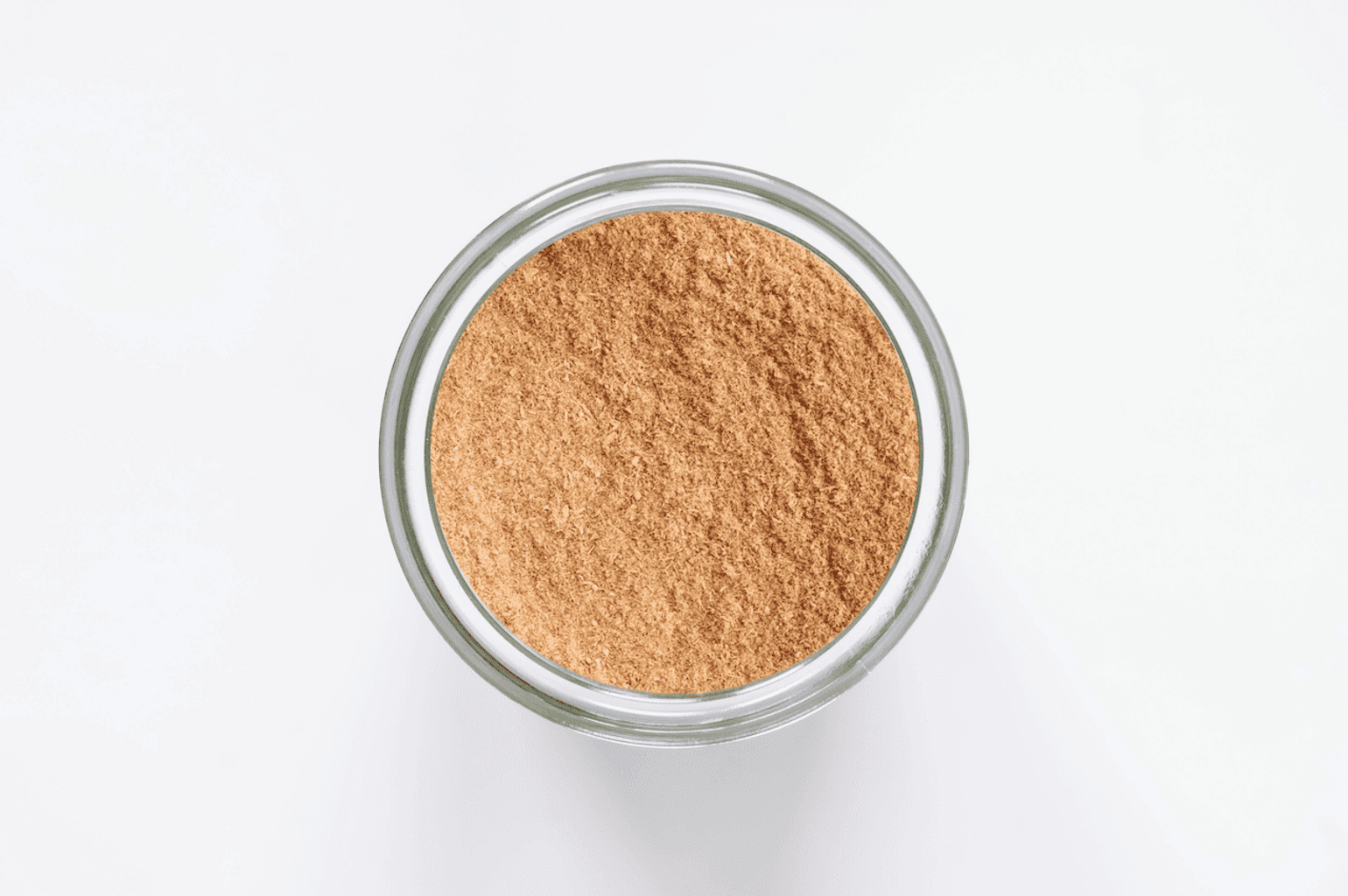
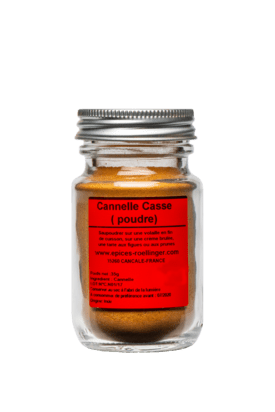
Cinnamon Cassia India
Recommendations
-
Allergens
Absent, except for cross-contamination.
May contain traces of sesame, celery, mustard, soy. - Origin India
- Storage / Use In a cool, dark, dry place.
Olivier Rœllinger's words
The taste of Cassia is more marked, more liquroice-like, with woody, peppery sweet and spicy notes. Chewing on a piece of the bark is a real treat for the tastebuds.
Cassia is not only an ingredient in many of my spice blends, but it is particularly good on poultry at the end of the cooking process. The best, however, is to sprinkle it on a crème brûlée, or a fig or prune tart.
Story
This cassia cinnamon belongs to the Cassia group and comes from the species Cinnamomum tamala, native to India. In Indian cuisine, both the bark and the leaves are widely used for their distinctive aroma.
We source this variety of cassia cinnamon from Northern Kerala, where it is harvested by our producers. They are members of a cooperative committed to fair trade practices and cultivate their cinnamon without the use of pesticides or chemical fertilizers.
True cinnamon comes from the bark of the young shoots of Cinnamomum zeylanicum, a large tree of the Lauraceae family. It should not be confused with cassia or Chinese cinnamon (Cinnamomum cassia), which is less subtle. They can be told apart by the thickness and color of the bark. Cinnamon is thinner and is a warm yellow-brown, while cassia is thicker and reddish-brown.
This cassia cinnamon naturally contains coumarin. The coumarin content is higher in cassia cinnamon than in Sri Lankan cinnamon (Cinnamomum verum). People who are sensitive to coumarin should consume it only in small amounts, while those who are allergic to coumarin should avoid consuming it altogether.